
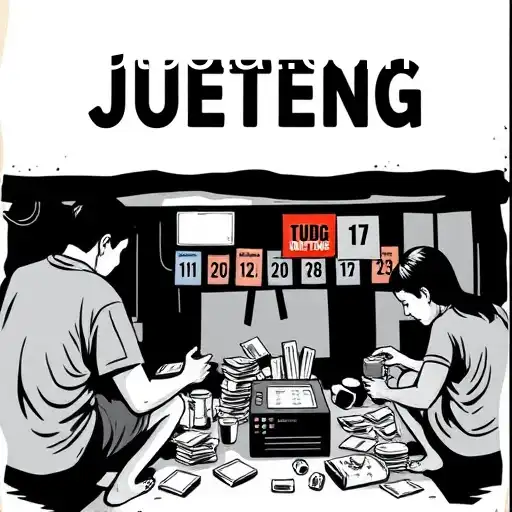
atbet | Jueteng: The Underground Lottery in the Philippines
atbet’s Analysis of Jueteng's history, structure, and impact on Philippine society.
Jueteng: The Underground Lottery in the Philippines
Jueteng is an illegal numbers game that has a long-standing history in the Philippines. It is a form of gambling and operates widely despite being unauthorized. The game is deeply rooted in Filipino culture, often linked with local politics and the economy. Although illegal, its operations continue to thrive, often due to protection from certain influential figures.
What is Jueteng?
Jueteng is primarily a community-based numbers game wherein bettors choose a combination of numbers, typically from 1 to 37. A drawing is held, and the winning combination is announced. Bets are placed through cobradores – or collectors – who roam around neighborhoods gathering wagers.
The Rise and Spread of Jueteng
Jueteng originated during the Spanish colonial era and has since evolved. It expanded from Luzon to other parts of the country. Several factors contribute to its extensive coverage: economic necessity, cultural acceptance, and political protection. For many marginalized Filipinos, it offers a glimpse of hope for a better future, albeit fleeting.
Despite countless crackdowns, Jueteng's perseverance is attributed to the intricate structure involving operators, mother coordinators, financiers, and political patrons. It provides a quick source of income for those directly involved, including bet collectors, and indirectly influences the local economies by feeding different channels.
The Role of Atbets in Jueteng
The term "atbet" relates to the central bets placed in the gambling mechanism. Within the realm of Jueteng, atbets are essential to determine payoffs for bet collectors and bettors. These atbets form the foundation and operational pulse of the gambling activity. The dynamics of making atbets can significantly enhance a game's excitement while Chan robbing local businesses from investing in formal economic routes.
Political Implications
Political involvement in Jueteng cannot be understated. There have been numerous accusations and controversies involving politicians receiving money to overlook or even protect Jueteng operations. Some argue that Jueteng proceeds help finance political campaigns and curry favor with local votes.
Furthermore, Jueteng has been a focus in many anti-corruption crusades. Reports frequently emerge about how revenues have ended in the coffers of local officials, making eradication efforts highly politicized. This creates a symbiotic relationship that complicates authorities' attempts to disband operations.
Social and Economic Impact
Jueteng's social impact is considerable. It has woven itself deeply into some communities as an apparently indispensable source of income. For those involved in collection and management, the illegal economy provides steady employment where alternative opportunities are scarce.
However, it does come with downsides. Those who consistently wager tend to put themselves in vulnerable positions financially. Indirectly, the infusion of money into informal channels deprives the government of potential revenue, which could otherwise be used to fund public services. Losses in tax revenues remain a persistent concern as funds that could benefit communities end up in private hands.
Cultural Connections
Quite interestingly, Jueteng isn’t merely a gambling activity; it has cultural resonance in its gambling mechanics. Stories abound of bettors trying to predict winning numbers based on dreams or superstitions. Such beliefs like the use of "atbets" reveal cultural customs that inform such practices, as bettors may view winnings as signs or blessings.
Efforts of Eradication
Despite various government initiatives to curb and eliminate Jueteng, many have proven only superficially effective. Solutions like the establishment of legal alternatives (such as the Small Town Lottery) aimed to reduce Jueteng's prominence but fell short due to corruption concerns and lack of adequate execution.
Continuous reforms against Jueteng showcase the difficulty in completely banning the trade in the absence of supportive socio-economic improvements. The alternative employment options remain limited for those who rely heavily on gambling income, further exacerbating the challenge.
Conclusion
Jueteng operates within a complex network where economics, culture, and politics all converge. While its presence raises ethical and financial concerns, it remains a complicated issue due to ingrained cultural ties and negligible employment means. Measures to transform the landscape ought to remain inclusive and multifaceted, addressing economic inequalities and boosting legitimate opportunities.
